

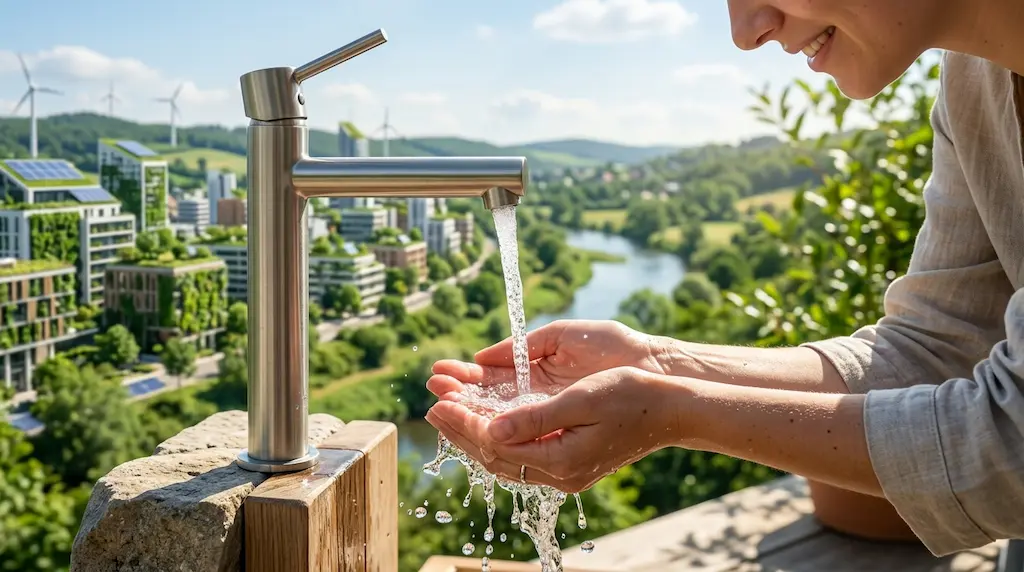
Clean water access is a fundamental requirement for building healthy, resilient, and prosperous societies. While water is often taken for granted in developed regions, billions of people around the world still face challenges related to unsafe or unreliable water sources. Access to clean water influences nearly every aspect of human life, from physical health to economic stability and social development.
Clean Water and Public Health
Safe drinking water plays a critical role in preventing the spread of waterborne diseases. Communities with access to clean water experience lower rates of illness, reduced child mortality, and improved overall health outcomes. Reliable water sanitation systems also ease the burden on healthcare infrastructure, allowing medical resources to be allocated more effectively.
When clean water is readily available, basic hygiene practices become easier to maintain. This directly reduces infection risks and improves quality of life, especially in densely populated or vulnerable regions.
Economic Stability Depends on Water Infrastructure
Clean water access is closely tied to economic productivity. Agriculture, manufacturing, energy production, and service industries all rely on consistent water availability. Water shortages or contamination can disrupt supply chains, reduce output, and increase operational costs.
Investments in water infrastructure often generate long-term economic benefits. Improved systems reduce losses, create jobs, and support sustainable growth, making water security a strategic priority for national development.
Education and Social Equality
In regions without nearby water sources, children often spend significant time collecting water instead of attending school. Access to clean water enables higher school attendance and better learning conditions. Educational institutions also depend on clean water to provide safe environments for students and staff.
By reducing daily survival burdens, clean water access promotes social equality and helps break cycles of poverty across generations.
Environmental Sustainability and Water Protection
Protecting water sources is essential for environmental sustainability. Healthy rivers, lakes, and groundwater systems support ecosystems, biodiversity, and climate resilience. Sustainable water management balances human needs with long-term environmental preservation.
Responsible water use also helps communities adapt to climate variability and reduce future water-related risks.
Why Clean Water Access Shapes the Future
As global populations grow and climate pressures increase, clean water access will become even more critical. Societies that prioritize water safety, infrastructure maintenance, and conservation are better positioned to ensure long-term health, stability, and sustainable progress for future generations.
Conclusion
Clean water access is far more than a basic necessity. It supports public health, strengthens economies, improves educational opportunities, and protects environmental systems. Communities with reliable access to safe water are better prepared for long-term growth and future challenges. As global demand for water continues to rise, sustainable water management and infrastructure investment will remain essential for building healthier and more resilient societies.
No comments yet