

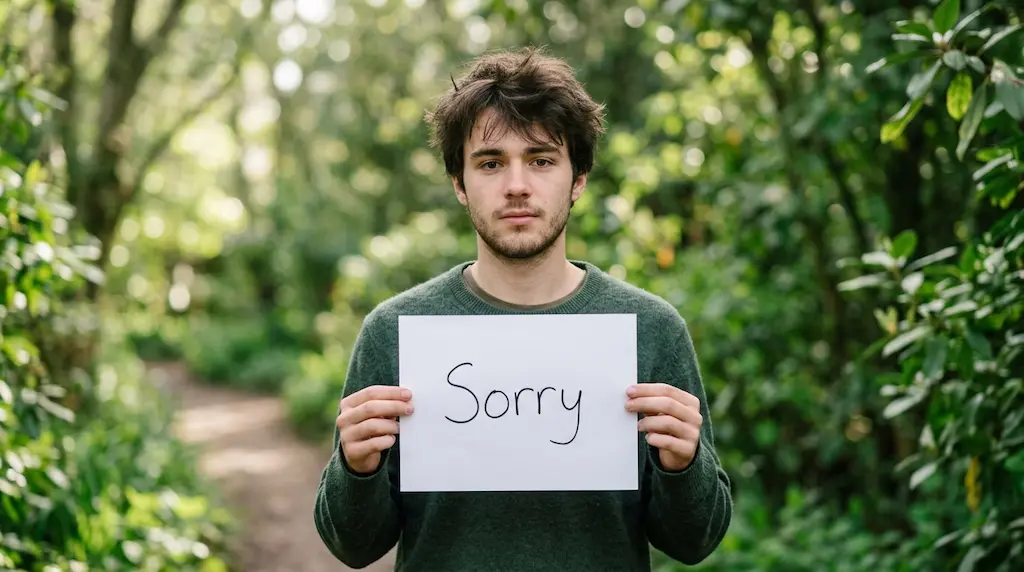
We all make mistakes at work, at home, or with friends. But a bad apology can hurt more than the original mistake. Saying “I’m sorry if you felt bad” shifts blame to the other person. A true apology follows the science of apologies to rebuild trust, not break it further. Research from the Ohio State University found that effective apologies reduce anger and increase forgiveness by up to 50 percent when done correctly.
Think about a time someone gave you a fake apology. They probably said “I’m sorry but you started it” or “Sorry you feel that way.” These statements feel worse than hearing nothing at all. Why Because they lack responsibility. A bad apology protects the speaker’s ego instead of healing the relationship.
The Science Behind an Effective Apology
Researchers have studied apologies for decades. A landmark study from the University of Zurich identified six core components of an effective apology. The most important one is acknowledging responsibility. Without this step, your apology sounds empty and forced. The study found that taking full responsibility increases forgiveness by 40 percent compared to vague apologies.
Why does responsibility matter so much Because humans crave fairness. When someone harms you, your brain’s anterior insula activates, creating feelings of injustice. An apology that accepts blame calms this brain region. It signals that the wrongdoer understands the harm and wants to fix it.
6 Steps to Apologize the Right Way
Follow these six research-backed steps every time you need to say sorry. Each step builds on the previous one. Skipping any step reduces your apology’s effectiveness.
- Express regret: Start with genuine emotion. Say “I feel awful that I hurt you” or “I deeply regret what I did.” Your tone matters more than your words.
- Explain what went wrong: Give context without making excuses. Say “I was stressed and I snapped at you” not “I snapped because you were annoying me.”
- Acknowledge responsibility: Use clear language. Say “It was my fault. I made a mistake.” Avoid passive phrases like “Mistakes were made.”
- Offer to repair: Ask “What can I do to make this right” or propose a solution yourself like “Let me redo the work I messed up.”
- Promise to change: Describe specific future behavior. Say “Next time I will listen for two minutes before responding” instead of “I will try to be better.”
- Ask for forgiveness: Give the other person time and space. Say “I hope you can forgive me” without demanding an immediate answer.
Real Life Examples of Good vs Bad Apologies
Bad apology example: “I’m sorry if anyone was offended by my comment. That was not my intention.” This apology uses the word “if” which doubts the other person’s feelings. It also focuses on the speaker’s intention instead of the actual harm.
Good apology example: “I am sorry for my comment. It was disrespectful and I hurt you. There is no excuse for what I said. Next time I will think before I speak. Can you forgive me” This apology works because it accepts full responsibility, names the specific harm, and promises real change.
Another bad example: “Sorry but you also did something wrong.” The word “but” erases everything before it. A real apology never includes a counterattack.
Common Apology Mistakes to Avoid
Avoid these apology killers that researchers have identified as relationship damaging
- The “if” apology: “I’m sorry if you think that” or “I’m sorry if I hurt you.” The word “if” questions whether the harm even happened.
- The “but” apology: “I’m sorry but you started it” or “Sorry but I was tired.” The word “but” shifts blame back to the other person.
- The vague apology: “Sorry for everything” or “My bad.” These phrases lack specificity and feel lazy.
- The demanded forgiveness: “I said sorry so you have to forgive me now.” Forgiveness cannot be forced. It takes time.
- The over explained apology: A five minute story about why you were stressed. Long explanations feel like excuses, not accountability.
How a Real Apology Restores Trust
A sincere apology creates biological changes in both people. It lowers cortisol, the stress hormone that makes us feel defensive and anxious. It also increases oxytocin, sometimes called the bonding hormone, which helps rebuild emotional safety.
When you master how to say sorry the right way, relationships grow stronger than before the mistake happened. Studies on couples therapy show that successful repairs after conflict actually increase relationship satisfaction over time. The key is the quality of the apology, not the size of the mistake.
Workplace research supports this too. Companies with leaders who apologize effectively have higher employee trust and lower turnover. A good apology at work can save projects, teams, and even careers.
When to Apologize and When Not To
Timing matters greatly. Apologize as soon as you realize your error. Waiting for days makes your apology seem less genuine. Research shows that delayed apologies feel calculated and cold.
However, do not apologize for things outside your control. Saying “sorry for the rain” or “sorry you feel sad” dilutes your credibility. Save real apologies for real mistakes you actually made.
Also avoid over apologizing. Saying sorry ten times a day for small things reduces the power of your words. Keep apologies specific and meaningful. Use them when you truly harmed someone, not as a nervous habit.
Final Advice for Saying Sorry the Right Way
Keep your words simple, specific, and completely free of justifications. Look at the person when you speak. Use a calm voice. Do not cross your arms. These nonverbal signals matter as much as your words.
Remember that an apology is not about you feeling better. It is about honoring the other person’s pain. When you truly understand this shift, your apologies will become powerful tools for healing any relationship.
Start practicing today. The next time you make a mistake, use the six steps. Say “I was wrong. Here is what I will do differently. I hope you can forgive me.” These simple words can change everything.
No comments yet